Punching & Stamping: Crafting Precision and Design in Metalworking
In the world of metal fabrication, punching and stamping are two fundamental processes that play a crucial role in shaping and decorating metal surfaces. Whether it’s creating functional components or adding intricate decorative patterns, these techniques offer precision, efficiency, and versatility. Let’s explore what punching and stamping involve and how they contribute to modern manufacturing.
What is Punching?
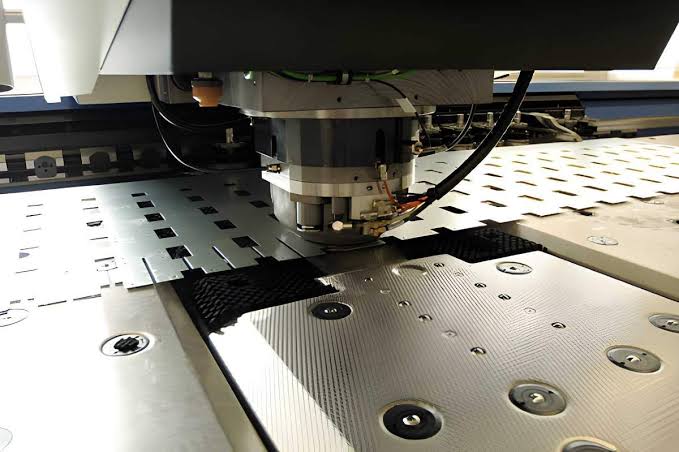
Punching is a metalworking process where a press forces a die through a metal sheet to create holes or slots by shearing the material. Think of it like using a cookie cutter on dough, but with metal. The result is a clean, precise cutout that can range from simple circular holes to complex shapes depending on the die design.
Applications of Punching:
- Creating holes for screws, bolts, or rivets in metal sheets.
- Cutting out shapes for mechanical parts.
- Preparing metal pieces for further assembly.
What is Stamping?
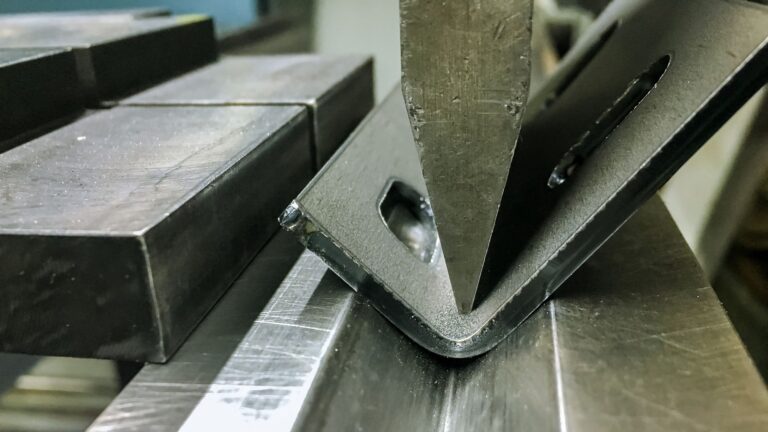
Stamping involves pressing a die onto a metal surface to form raised or recessed patterns. Unlike punching, which removes material, stamping reshapes the metal, creating decorative or functional textures without cutting through the sheet. This technique can produce embossing, debossing, or intricate designs with high repeatability.
Applications of Stamping:
- Adding brand logos or decorative patterns on metal products.
- Forming raised edges or ribs to enhance structural strength.
- Creating textured surfaces for better grip or aesthetics.
The Machinery Behind the Magic
Both punching and stamping typically use mechanical or hydraulic presses. These machines apply significant force to the die, ensuring clean cuts or crisp impressions. Modern manufacturing often employs CNC-controlled presses for enhanced precision and automation, allowing for complex designs and high production volumes.
Benefits of Punching and Stamping
- Efficiency: Rapid processing with minimal material waste.
- Precision: Accurate, repeatable results suitable for mass production.
- Versatility: Suitable for various metals and thicknesses.
- Cost-effectiveness: Lower tooling and operational costs compared to some other fabrication methods.
Conclusion
Punching and stamping are indispensable techniques in metal fabrication, blending functionality with artistry. From industrial components to decorative elements, these processes enable manufacturers to meet diverse design requirements with speed and precision. Whether you’re producing automotive parts, electronic enclosures, or custom metalwork, understanding punching and stamping can help you appreciate the craftsmanship behind the metal products we use every day.