Welding & Joining: Fusing Separate Metal Pieces Permanently
In the world of metal fabrication and construction, joining separate metal pieces to create strong, durable structures is a fundamental process. Whether you’re building a skyscraper, repairing a car, or crafting a piece of art, knowing how to fuse metals effectively is essential. This blog post explores various methods of welding and joining metals, including MIG, TIG, stick welding, riveting, and the use of industrial bolts.
Welding Techniques
Welding involves melting the base metals and sometimes adding a filler material to form a strong joint once cooled. The most common welding methods include:
MIG Welding (Metal Inert Gas)
MIG welding, also known as Gas Metal Arc Welding (GMAW), uses a continuous wire feed as an electrode and an inert gas like argon or CO2 to shield the weld pool from contamination. It is popular for its speed and ease of use, making it ideal for beginners and industrial applications alike.
Advantages:
- High welding speed
- Suitable for thin to medium thickness metals
- Produces clean welds with minimal spatter
TIG Welding (Tungsten Inert Gas)
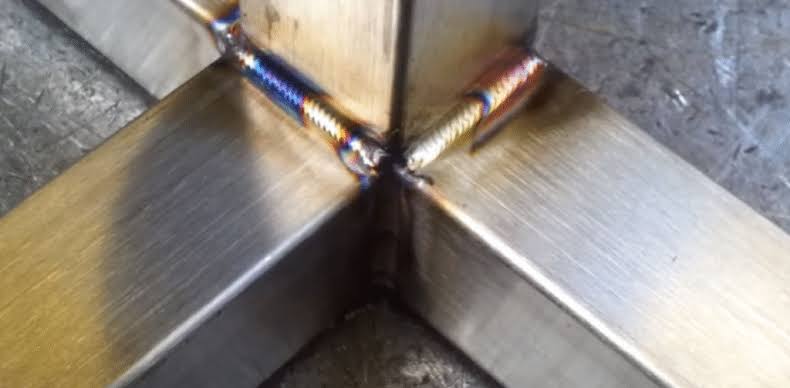
TIG welding uses a non-consumable tungsten electrode to produce the weld. It requires a separate filler rod and a shielding gas, typically argon. TIG welding offers high precision and control, making it perfect for thin metals and projects requiring a clean, high-quality finish.
Advantages:
- Precision and control
- High-quality, clean welds
- Suitable for a wide range of metals, including aluminum and stainless steel
Stick Welding (Shielded Metal Arc Welding)
Stick welding uses a consumable electrode coated in flux. When the electrode melts, the flux creates a shielding gas to protect the weld pool. This method is versatile and works well outdoors or on rusty and dirty metals.
Advantages:
- Portable and simple equipment
- Effective for thick materials
- Good for outdoor and heavy-duty welding
Mechanical Joining Methods
Sometimes, welding is not the best option, especially when disassembly or flexibility is needed. Mechanical joining methods like riveting and industrial bolts offer alternative solutions.
Riveting
Riveting involves inserting a metal pin or rivet through aligned holes in the pieces being joined and then deforming the rivet so it holds the pieces tightly together. Riveting is common in aircraft, shipbuilding, and construction.
Advantages:
- Strong, permanent joints
- Does not require heat, preserving base metal properties
- Suitable for joining dissimilar metals
Industrial Bolts
Bolted joints use threaded fasteners to clamp metal pieces together, often with nuts and washers. This method allows for easy assembly and disassembly, making it ideal for machinery and structural components that require maintenance.
Advantages:
- Easy to assemble and disassemble
- Allows for adjustments and repairs
- Provides strong, reliable joints
Choosing the Right Method
Selecting the appropriate welding or joining technique depends on factors like the type of metal, thickness, environmental conditions, and the desired strength and appearance of the joint. Welding provides permanent, strong bonds but requires skill and equipment. Mechanical joining offers flexibility and avoids heat-affected zones but may not be as seamless.
Conclusion
Welding and joining are critical skills in metalworking, offering various methods to fuse or connect metal pieces permanently or semi-permanently. Whether using MIG, TIG, stick welding, riveting, or industrial bolts, understanding these techniques empowers fabricators to build structures that are both strong and reliable. The right choice ensures safety, durability, and efficiency in any metalworking project.