Understanding Machining: Drilling, Milling, and Turning Metal Pieces
Machining is a fundamental manufacturing process used to shape metal parts with precision and accuracy. Whether you’re creating intricate internal features or achieving smooth surface finishes, machining plays a crucial role in various industries, including automotive, aerospace, and industrial equipment manufacturing. The three primary machining techniques—drilling, milling, and turning—each offer unique capabilities to transform raw metal into functional, high-quality components.
Drilling: Creating Precise Holes
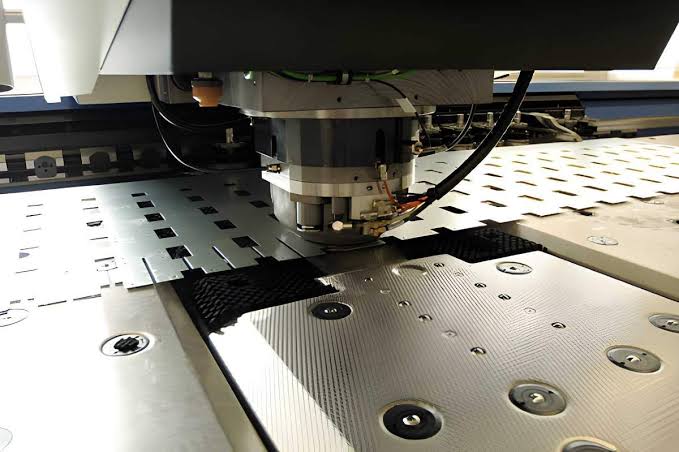
Drilling is one of the most common machining operations, primarily used to create round holes in metal pieces. Using a drill bit attached to a rotating spindle, material is removed to form holes of specific diameters and depths. Modern drilling machines can achieve high precision, enabling the creation of holes for fasteners, fluid channels, or complex internal features within a part.
Key benefits of drilling include:
- Ability to create deep, precise holes
- Compatibility with a variety of metals
- Fast and efficient for high-volume production
Milling: Shaping and Contouring Metal Surfaces
Milling involves removing material from a metal workpiece using a rotating cutting tool called a mill. Unlike drilling, milling can cut in multiple directions, allowing for the creation of complex shapes, slots, and contours. CNC (Computer Numerical Control) milling machines offer exceptional accuracy and repeatability, enabling the production of intricate parts with smooth surface finishes.
Typical applications of milling include:
- Producing flat surfaces and slots
- Engraving and cutting complex shapes
- Finishing metal parts with fine details
Turning: Crafting Cylindrical Components on a Lathe
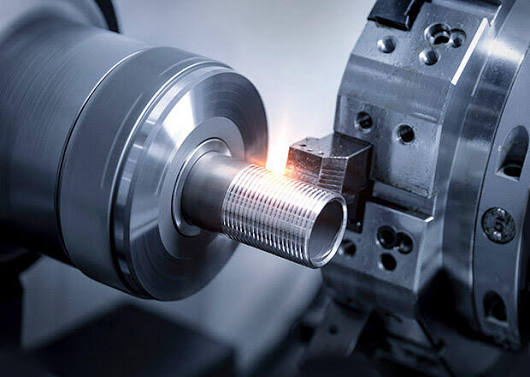
Turning is a machining process where a metal piece is rotated on a lathe while a cutting tool removes material to shape the outer diameter or internal features. This technique is ideal for producing cylindrical parts such as shafts, bolts, and bushings. Turning can also create internal features like threads or bores with high precision.
Advantages of turning include:
- Efficient production of symmetrical, round parts
- Capability to create detailed internal and external features
- High surface finish quality for functional and aesthetic purposes
Why Machining Matters
Machining ensures that metal parts meet exact specifications and tolerances, critical for the performance and safety of mechanical systems. By carefully selecting the appropriate machining technique—drilling, milling, or turning—manufacturers can optimize production processes, reduce waste, and achieve superior product quality.
In summary, machining is an indispensable process in metal fabrication, enabling the creation of customized parts with precise internal features and smooth surface finishes. Whether drilling holes, milling complex shapes, or turning cylindrical components, mastering these techniques is key to successful manufacturing.