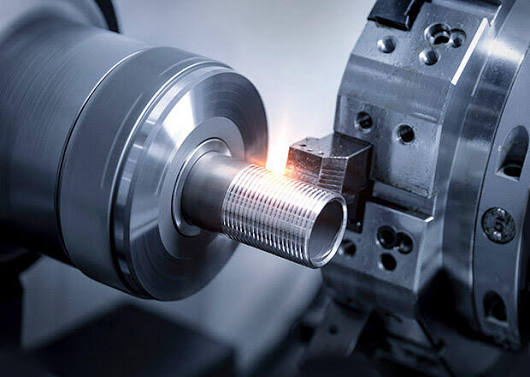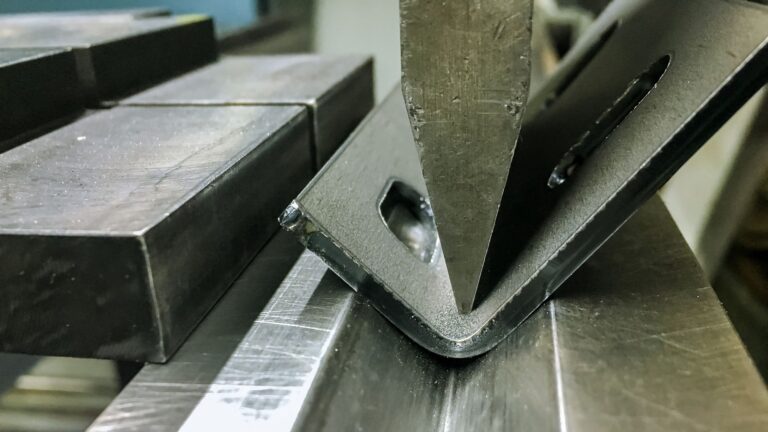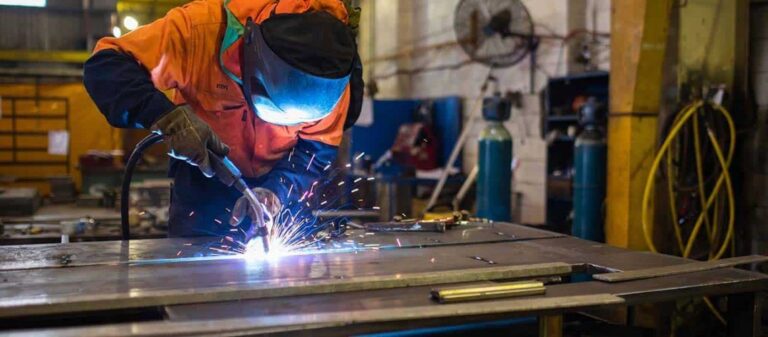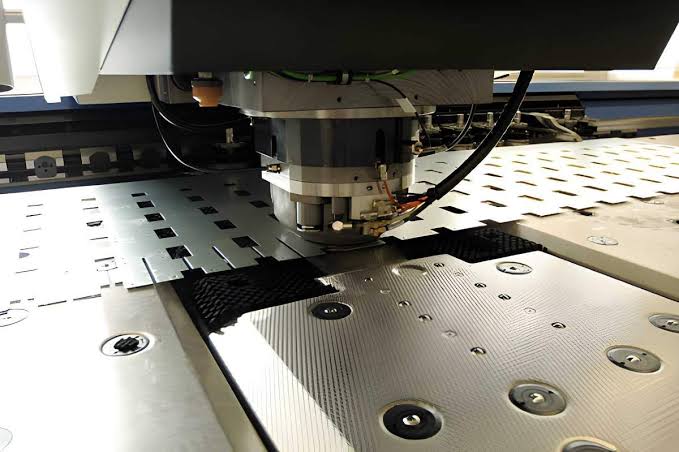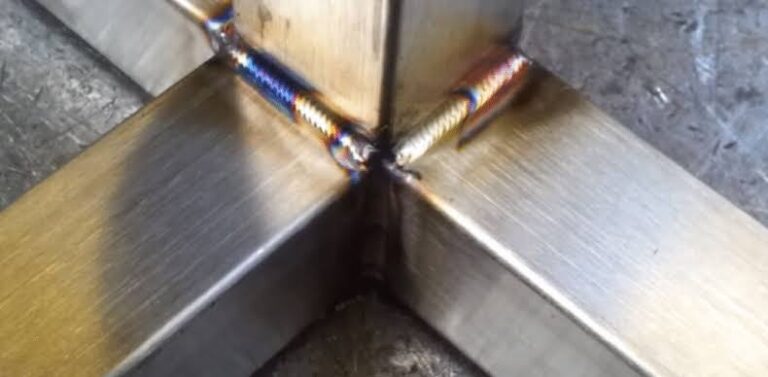
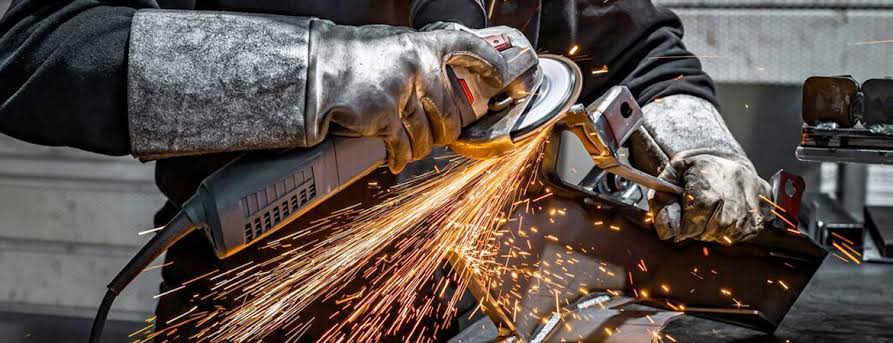
Simply put, “metal fabrication” is defined as creating products or structures by cutting, bending, and/or assembling metal material. It’s largely considered a value-added process as it consists of putting together actual products or structures from metal raw material.
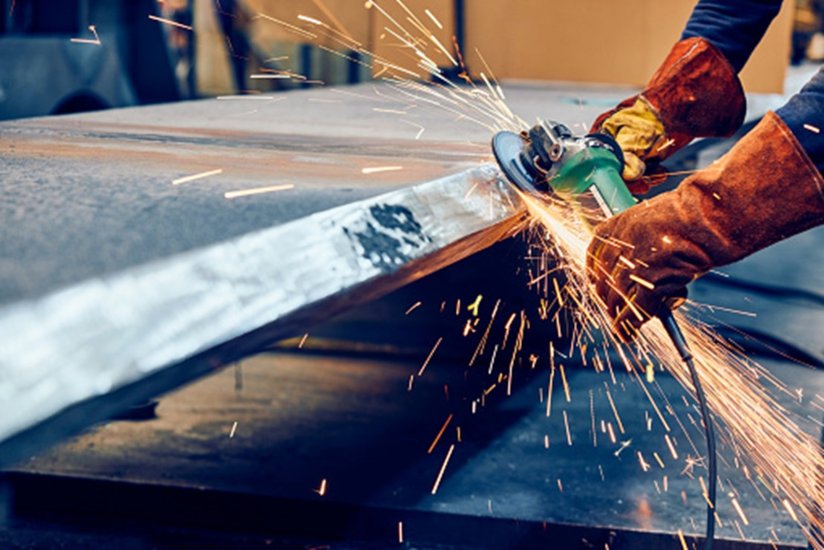
Jobs usually consist of three phases: 1) design, where shop drawings are created to the intended measurements; 2) fabrication, which involves the aforementioned cutting, bending, and/or assembling; and finally, 3) installation, where the end product or structure is put together (either partially or fully).
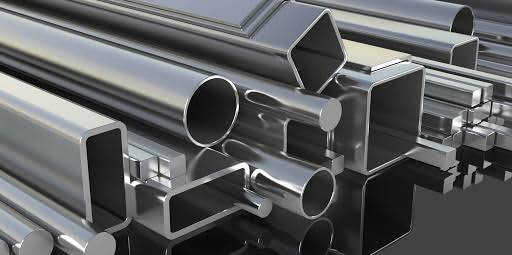
Metal fabricators typically work with a range of raw materials that may include different types of metal such as plate metal, expanded metal, welding wires and rods, and cast metal. In a nutshell, fabrication is a critical step in creating any sort of finished metal part or structure.
Fabricators generally work in either machine shops or designated metal fabrication shops that focus on everything from metal preparation to fabrication. Though not as common as the types of metal fabrication that we’ll discuss in this piece, blacksmiths, boilermakers, and ironworkers have also historically been considered metal fabricators.
There are various different segmentation levels which we’ll touch on in this post including hree of the most common types of metal fabrication: industrial, structural, and commercial.