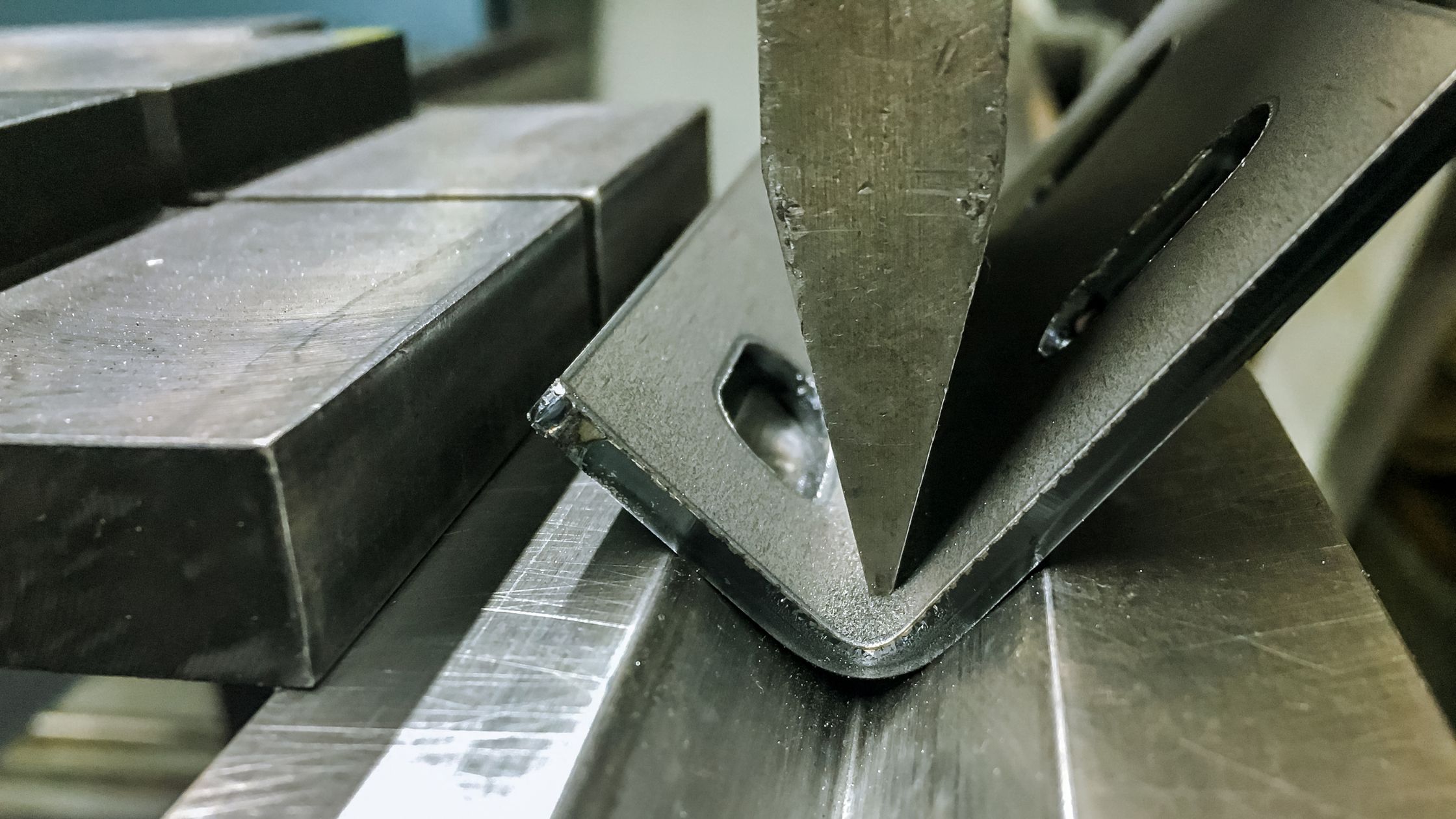
Forming & Bending: Transforming Flat Sheets into Dynamic Shapes
In the world of metal fabrication, the ability to reshape flat sheets or bars into complex angles, curves, or three-dimensional profiles is essential for creating functional and aesthetic components. This process, known broadly as forming and bending, leverages specialized machinery such as press brakes, rollers, and stamping presses to achieve precise and repeatable results. Let’s explore these methods and how they contribute to modern manufacturing.
What is Forming & Bending?
Forming and bending involve the plastic deformation of metal sheets or bars without removing material. Instead of cutting or welding, the metal is reshaped into desired geometries. This process is crucial for producing parts used in industries ranging from automotive and aerospace to construction and consumer goods.
Key Techniques in Forming & Bending
1. Press Brakes
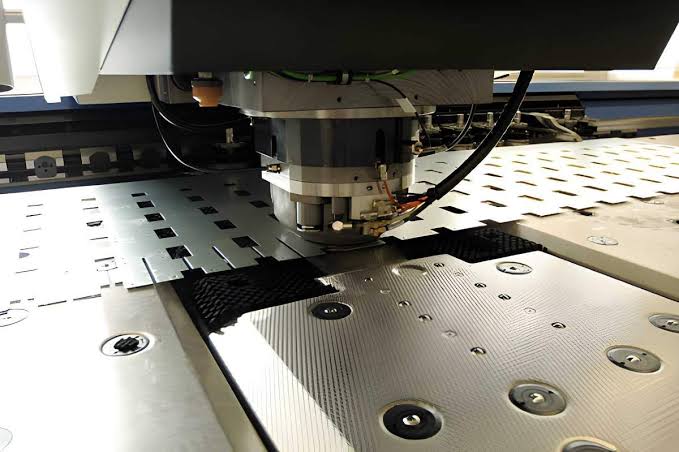
Press brakes are one of the most common tools used for bending sheet metal. They employ a punch and die system, where the sheet is positioned over the die, and the punch presses down to create a bend. This method allows for precise angle control and is suitable for producing sharp bends and complex folds.
- Advantages: High accuracy, versatility in bend angles, suitable for small to medium production runs.
- Applications: Making brackets, enclosures, frames, and other