Understanding the Cutting Process: Dividing Raw Metal into Precision Pieces
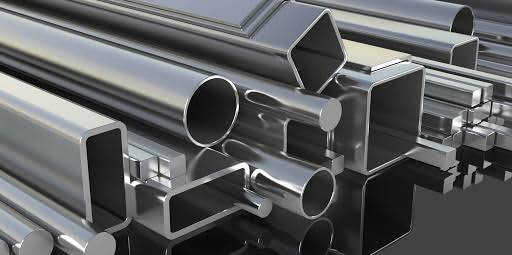
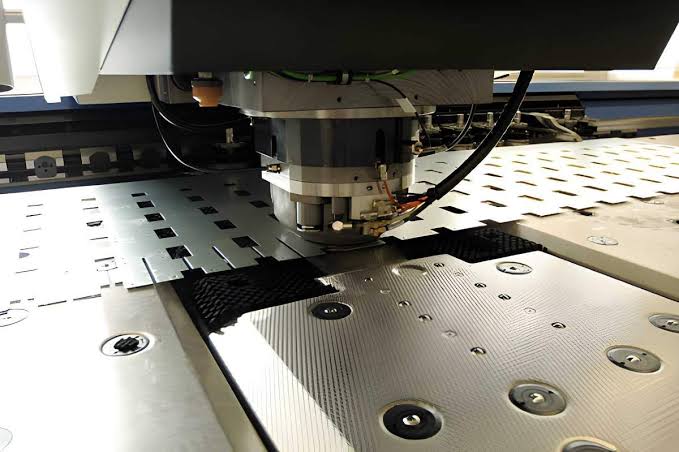
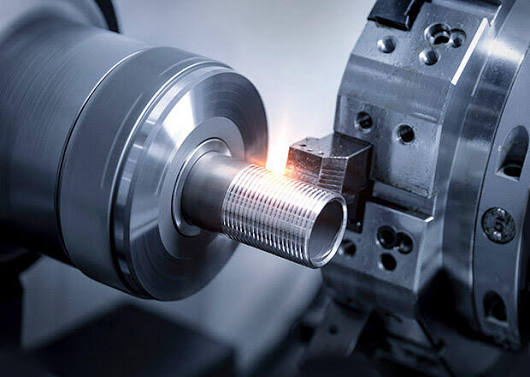
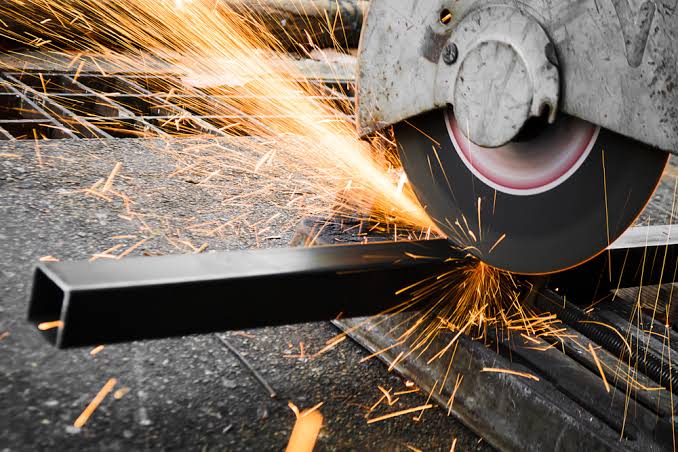
In the world of manufacturing and metalworking, the cutting process is a fundamental step that transforms raw metal sheets, tubes, or plates into smaller, usable pieces for various applications. This process requires precision, efficiency, and the right technology to ensure high-quality results. Let’s explore the different methods commonly used to cut metal and their unique advantages.
Common Cutting Techniques
1. Laser Cutting
Laser cutting uses a focused beam of light to melt, burn, or vaporize material along a precise path. This method is highly accurate and capable of producing intricate designs with clean edges. Laser cutters are ideal for thin to medium-thickness metals and are widely used in industries such as automotive, aerospace, and electronics.
Advantages:
- High precision and repeatability
- Minimal material waste
- Smooth edges requiring little to no finishing
2. Plasma Cutting
Plasma cutting involves using a high-velocity jet of ionized gas (plasma) to cut through electrically conductive materials. It is effective for cutting thicker metals and is faster than many other cutting methods.
Advantages:
- Suitable for thick metal plates
- Faster cutting speeds
- Cost-effective for many industrial applications
3. Waterjet Cutting
Waterjet cutting utilizes a high-pressure stream of water mixed with abrasive particles to erode the metal. This cold cutting process avoids heat distortion, making it perfect for materials sensitive to high temperatures.
Advantages:
- No heat-affected zones (HAZ)
- Can cut a wide range of materials, including composites
- Produces smooth edges with minimal burrs
4. Mechanical Shearing
Mechanical shears use blades to apply a shearing force to metal sheets, cutting them into smaller pieces. This traditional method is simple and fast for straight cuts on thinner metals.
Advantages:
- Cost-effective for simple, straight cuts
- Quick setup and operation
- Suitable for high-volume production runs
Choosing the Right Cutting Method
The selection of a cutting process depends on several factors, including:
- Material type and thickness: Thicker metals may require plasma cutting, while delicate materials benefit from waterjet cutting.
- Precision requirements: Laser cutting excels in high-precision tasks.
- Production volume: Mechanical shearing is efficient for large batches of simple cuts.
- Budget and operational costs: Consider the cost-effectiveness of each method relative to the project.
Conclusion
The cutting process is a critical phase in metal fabrication, enabling manufacturers to tailor raw materials to specific design requirements. Whether using laser cutters for intricate designs, plasma torches for heavy-duty tasks, waterjets for heat-sensitive materials, or mechanical shears for straightforward cuts, understanding these methods helps optimize production quality and efficiency.
By selecting the appropriate cutting technique, businesses can improve product performance, reduce waste, and enhance overall manufacturing workflows.